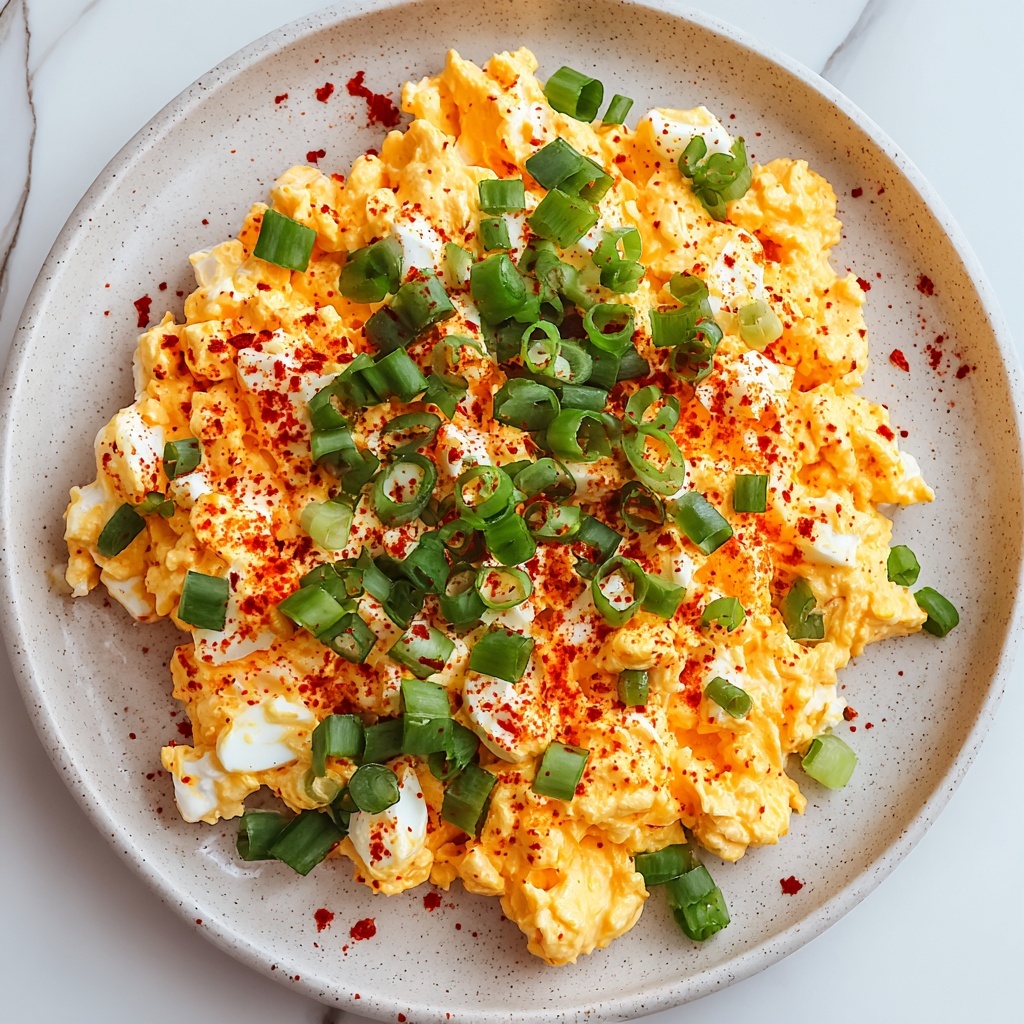
If you’re craving a breakfast that packs a punch of flavor and feels wonderfully comforting, this Gochujang Scrambled Eggs Recipe is about to become your new favorite. It combines the creamy softness of scrambled eggs with the bold, spicy kick of gochujang, the Korean chili paste that brings a unique depth and a subtle sweetness. Every bite is a delightful dance of heat, umami, and silkiness that’s surprisingly simple to whip up but leaves a lasting impression. Whether you’re making breakfast for yourself or impressing friends, this dish is a game-changer.
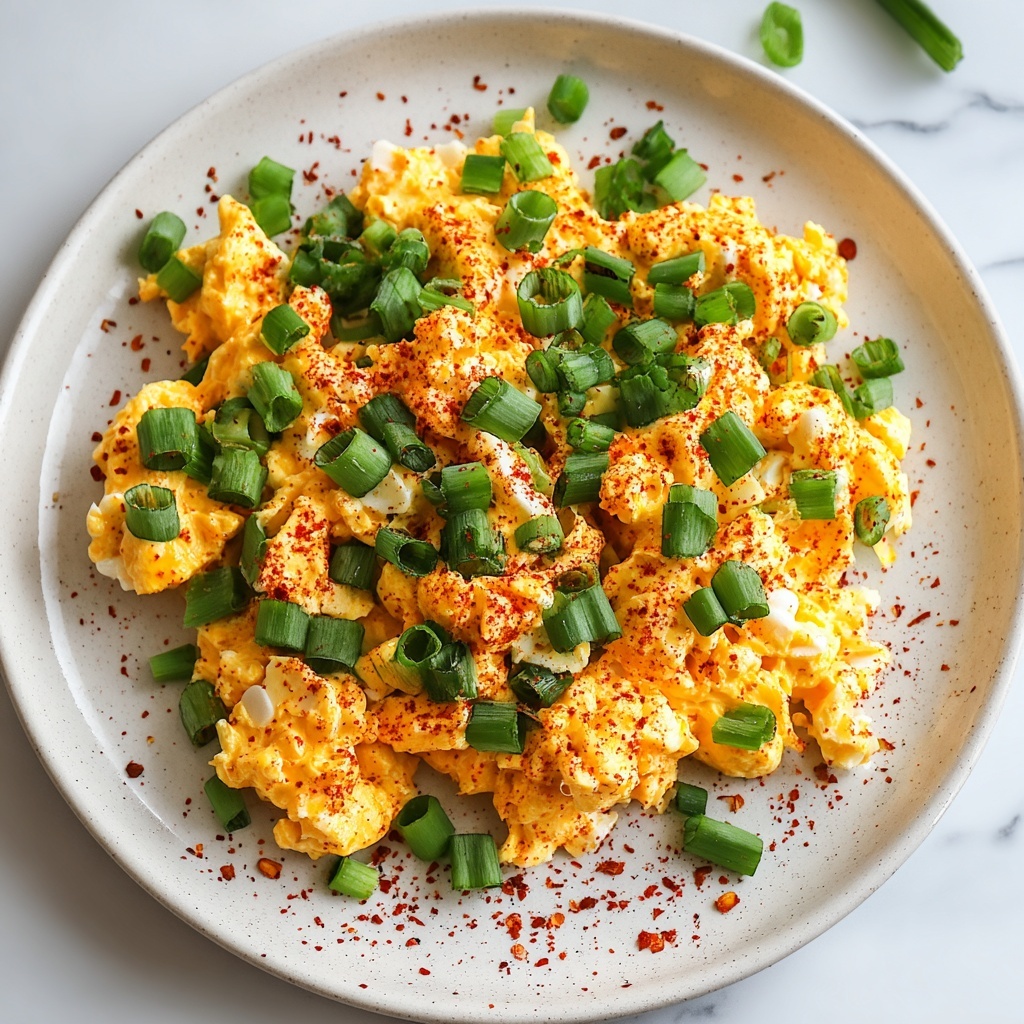
Ingredients You’ll Need
These ingredients are straightforward yet essential—they work together beautifully to balance heat, richness, and freshness. Each element plays a crucial role in achieving the perfect texture and vibrant flavor.
- 4 large eggs: The foundation of this dish, providing creamy softness and protein-packed goodness.
- 1 tablespoon gochujang: This Korean chili paste is the heart of the recipe, delivering a spicy, savory depth that transforms the eggs.
- 1 tablespoon unsalted butter: Adds richness and helps cook the eggs gently for that melt-in-your-mouth texture.
- 2 green onions, finely chopped: Offers a fresh, mild bite that lightens and brightens the dish.
- 1 teaspoon sesame oil: Brings a nutty aroma and smooth finish, tying all the flavors together beautifully.
How to Make Gochujang Scrambled Eggs Recipe
Step 1: Whisk the eggs
Start by cracking your eggs into a bowl and whisking them until the yolks and whites are completely blended. This ensures every bite is fluffy and evenly textured.
Step 2: Melt the butter
Place a non-stick skillet over medium heat and let the butter melt slowly. The butter not only prevents sticking but also gently coats the eggs for that perfect silkiness.
Step 3: Stir in the gochujang
Add the gochujang paste into the melted butter and stir for about 30 seconds until it becomes aromatic. This step warms up the chili paste, releasing its complex flavors and mild sweetness.
Step 4: Pour in the eggs and scramble gently
Pour your whisked eggs into the skillet. Use a spatula to stir gently and constantly, encouraging soft, creamy curds to form without overcooking.
Step 5: Add green onions and sesame oil
When the eggs are almost cooked but still a bit runny, fold in the finely chopped green onions and drizzle the sesame oil over the top. Stir through carefully to achieve a creamy finish with a fresh, nutty punch.
How to Serve Gochujang Scrambled Eggs Recipe
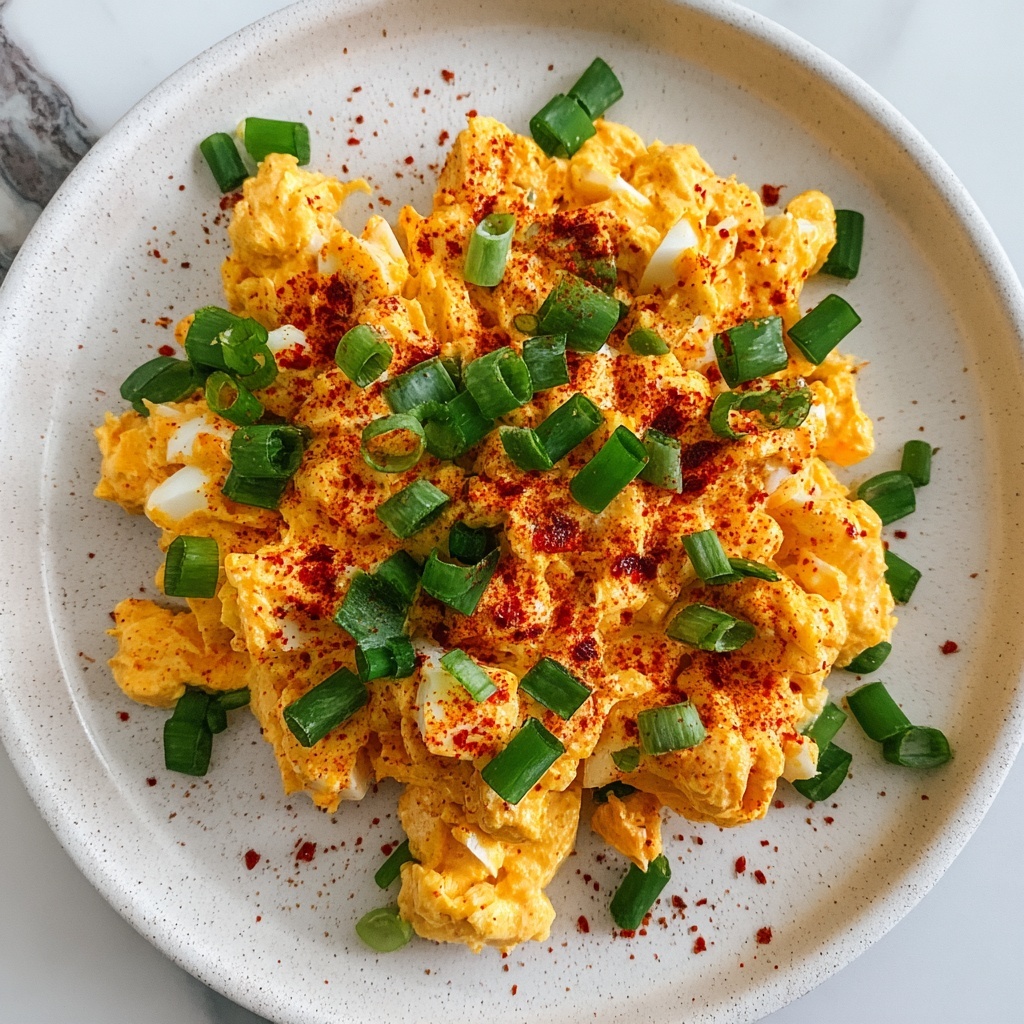
Garnishes
Sprinkle additional green onions or toasted sesame seeds for an eye-catching contrast and extra crunch. A handful of fresh herbs like cilantro or a few strips of nori can elevate the plate visually and tastewise.
Side Dishes
This dish pairs wonderfully with steamed rice, crusty bread, or a fresh cucumber salad. The cool sides balance the warmth and boldness of the gochujang scrambled eggs splendidly.
Creative Ways to Present
For a trendy twist, serve the scrambled eggs over a bowl of warm grains with avocado slices and a drizzle of extra sesame oil. You can also turn this into a filling for soft tacos or bao buns, making it a versatile meal for any time of the day.
Make Ahead and Storage
Storing Leftovers
Place cooled leftovers in an airtight container and keep them in the refrigerator for up to 2 days. The flavors meld beautifully, but the eggs are best enjoyed fresh for maximum creaminess.
Freezing
Gochujang scrambled eggs don’t freeze very well since the texture can become rubbery upon thawing. It’s best to prepare them fresh to enjoy their luscious softness.
Reheating
Gently reheat leftovers in a non-stick skillet over low heat, stirring frequently to restore creaminess. Avoid microwaving directly as it can overcook and dry out the eggs quickly.
FAQs
Can I adjust the spiciness level of the Gochujang Scrambled Eggs Recipe?
Absolutely! Gochujang comes in varying heat levels, so you can use less or more according to your taste preference. Start with a smaller amount and add more as you go for a custom heat level.
What can I substitute for gochujang if I can’t find it?
If you don’t have gochujang on hand, a mix of miso paste with a bit of chili powder and a touch of honey can mimic some of its sweet and spicy notes, but the unique flavor of gochujang is well worth the search.
Is this recipe suitable for meal prep?
This recipe works best freshly cooked due to the delicate texture of the eggs. However, you can prepare the ingredients ahead of time and quickly scramble the eggs when ready to eat.
Can I add other vegetables or proteins?
Yes! Spinach, mushrooms, or cooked shrimp can be excellent additions. Just add them during the cooking process so they heat through without overcooking the eggs.
What’s the best way to get soft, fluffy scrambled eggs?
Low and slow cooking with gentle stirring is key. Using butter and removing the eggs from heat just before they’re completely set helps keep them creamy rather than dry.
Final Thoughts
There’s something truly special about this Gochujang Scrambled Eggs Recipe that makes breakfast feel exciting and full of personality. It’s bold without being overwhelming and effortlessly comes together with simple ingredients. I hope you give this recipe a try and find it as comforting and addictive as I do—your mornings will never be the same!
Print
Gochujang Scrambled Eggs Recipe
- Prep Time: 5 minutes
- Cook Time: 10 minutes
- Total Time: 15 minutes
- Yield: 2 servings
- Category: Breakfast
- Method: Stovetop
- Cuisine: Korean
Description
Gochujang Scrambled Eggs are a flavorful twist on classic scrambled eggs, infused with the spicy, savory taste of Korean gochujang paste. This quick and easy breakfast dish combines creamy eggs with aromatic sesame oil and fresh green onions, delivering a rich, satisfying meal in just 15 minutes.
Ingredients
Egg Mixture
- 4 large eggs
- 1 tablespoon gochujang (adjust to taste)
Cooking
- 1 tablespoon unsalted butter
- 2 green onions, finely chopped
- 1 teaspoon sesame oil
Instructions
- Whisk the eggs: In a bowl, whisk the 4 large eggs thoroughly until they are fully blended and slightly frothy for a smooth texture.
- Heat the skillet and melt butter: Place a non-stick skillet over medium heat and add 1 tablespoon of unsalted butter, allowing it to melt completely without browning.
- Add gochujang: Stir in 1 tablespoon of gochujang paste to the melted butter, cooking it for about 30 seconds until it becomes aromatic and well combined with the butter.
- Cook the eggs: Pour the whisked eggs into the skillet and gently stir using a spatula to form soft, creamy curds, being careful not to overcook.
- Finish with green onions and sesame oil: When the eggs are nearly cooked but still moist, fold in the finely chopped green onions and drizzle 1 teaspoon of sesame oil over the eggs, stirring until the mixture is creamy and well blended. Remove from heat immediately to prevent overcooking.
Notes
- Adjust the amount of gochujang to your preferred spice level.
- Use fresh green onions for the best flavor and garnish.
- For a dairy-free version, substitute butter with a plant-based oil or margarine.
- Serve immediately for the best texture and taste.